Vikunja: A Modern GPL Task Manager for the Self-Hosted Generation
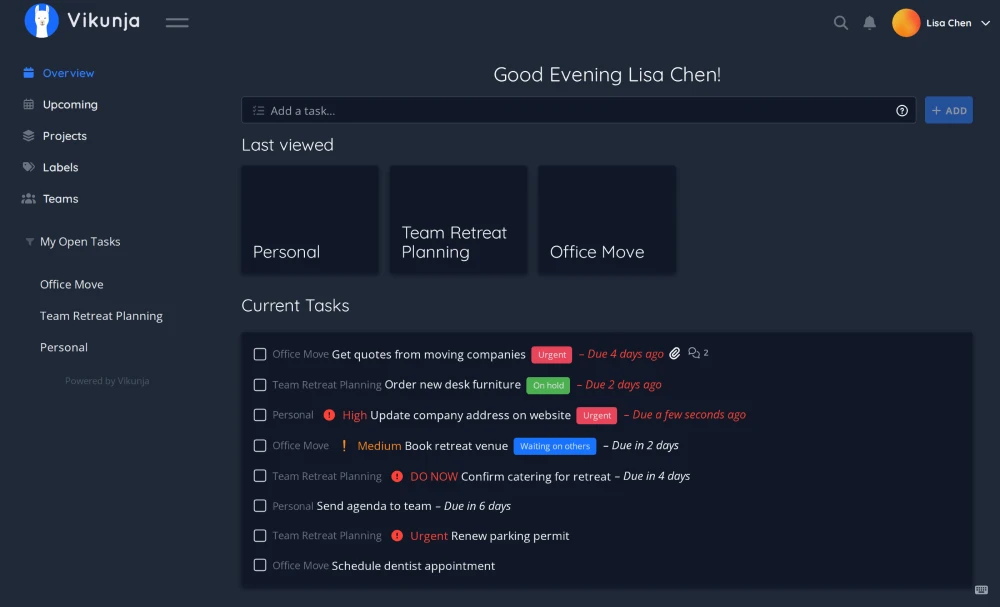
If you’ve been around Linux long enough, you’ve probably cycled through task managers—some too simple, others bloated, and many locked behind SaaS subscriptions. Vikunja is a refreshing alternative: a GPL-licensed, self-hostable productivity platform that gives you full control over your tasks and your data.
Unlike proprietary tools like Todoist or Asana, Vikunja embraces the core philosophy of the GNU General Public License—freedom to use, modify, and share. And in true GPL spirit, it puts ownership back in the hands of the user.
Why Vikunja Stands Out
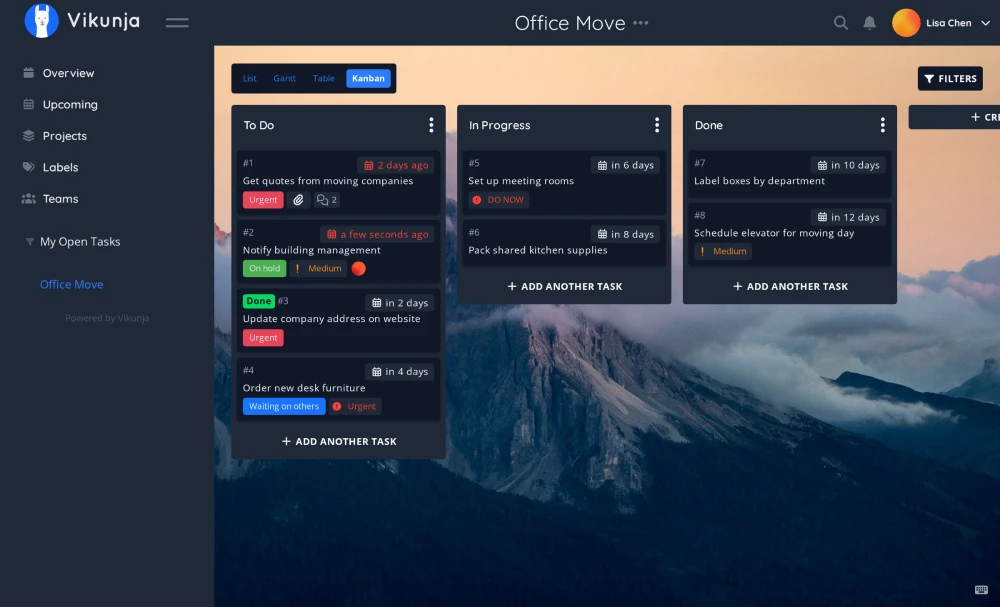
Vikunja isn’t just another to-do list app. It’s a full-fledged productivity suite that can scale from personal task tracking to collaborative project management.
Here’s what makes it special:
1. GPL Freedom Meets Modern UX
Vikunja is licensed under GPL-3.0, which means it guarantees software freedom and encourages community-driven development—just like the Linux kernel itself . But unlike many older GPL tools, Vikunja doesn’t feel outdated. Its interface is clean, responsive, and comparable to modern commercial apps.
2. Self-Hosting First
One of Vikunja’s biggest strengths is its self-hosting capability. You can run it on your own server, a Raspberry Pi, or even a VPS. This means:
No data mining
No vendor lock-in
Full privacy control
This aligns perfectly with the broader open-source movement, where users increasingly prefer tools that let them own their data and workflows .
3. Feature-Rich Without Bloat
Vikunja includes:
Kanban boards
Lists and subtasks
Due dates and reminders
Team collaboration
REST API for integrations
It’s impressive how much functionality is packed into a GPL project without becoming overwhelming.
Vikunja vs Traditional Linux Tools
If you’re coming from classic Linux utilities like Taskwarrior, you’ll notice a philosophical shift.
Taskwarrior: CLI-based, minimal, scriptable
Vikunja: Visual, collaborative, web-first
Both have their place, but Vikunja reflects a new generation of GPL software—tools that are not only free, but also user-friendly and accessible to a broader audience.
The Rise of GPL Productivity Tools
Vikunja is part of a larger trend. In recent years, we’ve seen a surge in high-quality open-source productivity apps such as:
Joplin (notes + tasks)
Trilium Notes (knowledge management)
OpenProject (team project management)
These tools demonstrate that open-source is no longer just for developers—it’s for everyone. They also emphasize privacy, offline capability, and extensibility, which are increasingly important in today’s cloud-dominated world.
Why GPL Still Matters in 2025
Some might argue that permissive licenses (like MIT) are more “modern,” but GPL continues to play a crucial role.
The GPL ensures that:
Derivative works remain open
Improvements are shared with the community
Users are protected from closed forks
This creates a virtuous cycle of collaboration—something we’ve seen succeed massively with Linux itself.
In a time when tech giants increasingly control software ecosystems, GPL projects like Vikunja act as a counterbalance, preserving user freedom and decentralization.
A Worthy Addition to Your Linux Toolkit
As someone who appreciates tools like Fontmatrix—software that quietly empowers users without locking them in—I see Vikunja as part of the same lineage.
It’s:
Free as in freedom
Actively developed
Practical for daily use
Whether you’re a solo Linux user or managing a small team, Vikunja is absolutely worth trying.
And more importantly, it’s a reminder that the GPL ecosystem is alive and evolving. From font managers to full productivity platforms, free software continues to push boundaries—not just technically, but philosophically.