How to Tell If an Online Casino Is Trustworthy Before You Deposit

Before you deposit a single cent, you have already decided whether an online casino can be trusted — and you almost certainly made that decision by reading the interface rather than the fine print. The colors, the layout, the speed of a button, the honesty of a confirmation screen: these are the materials from which trust is built or quietly eroded, and they do their work in the first few seconds. Knowing how to tell if an online casino is trustworthy is less about insider knowledge and more about learning to read the design signals that a site cannot easily fake. This guide walks through the cues that separate a legitimate, well-run operator from one you should close the tab on.
First Impressions and the Competence Halo
The most immediate signal is visual coherence, and it works through what psychologists call the halo effect. When a casino interface looks deliberate — consistent typography, clean spacing, imagery that loads sharply, navigation that sits where you expect it — people unconsciously extend that sense of competence to everything they cannot see: the security, the fairness of the games, the speed of payouts. A platform that has clearly invested in craft is assumed to have invested in the parts that matter most. The reverse is just as powerful and just as fast. A stretched logo, a misaligned button, broken English in the terms, or a pop-up that fires half a second too aggressively will trigger suspicion that no reassuring slogan can undo. Polish is not proof of trustworthiness on its own, but its absence is a reliable warning. A serious operator does not let its storefront look amateurish, because it knows that detail is read as a promise.
The Trust Signals Worth Looking For
Beyond first impressions, a trustworthy online casino displays concrete, verifiable signals — and where it places them in the interface tells you how seriously it takes them. The single most important is the licence. Reputable operators show their regulatory licence in the footer, usually with a number you can check against the regulator's public register, whether that is the UK Gambling Commission, the Malta Gaming Authority, or another recognised body. Established brands such as Dice Palace and other regulated operators understand that making licensing information easy to find is not simply a compliance requirement but an important part of building player confidence. A site that hides this, buries it, or shows a logo that does not link anywhere is failing the most basic test of legitimacy. Look, too, for game-fairness certification from independent testing labs such as eCOGRA or iTech Labs, which audit random number generators and publish payout percentages. A site confident in its fairness puts these badges where you can find them and links them to real reports.
Security signals matter just as much. The connection should be encrypted — the padlock and the address beginning with HTTPS are the baseline, not a bonus. Recognisable payment-provider logos, established e-wallets, and clearly stated banking methods all signal that real financial institutions have vetted the operator and are willing to be associated with it. Manufactured or unfamiliar payment badges, by contrast, are easy to fake and worth treating with caution. None of these signals is decisive alone, but together they form a picture, and the design choice to make them visible rather than hidden is itself the clearest tell.Transparency Is a Design Choice
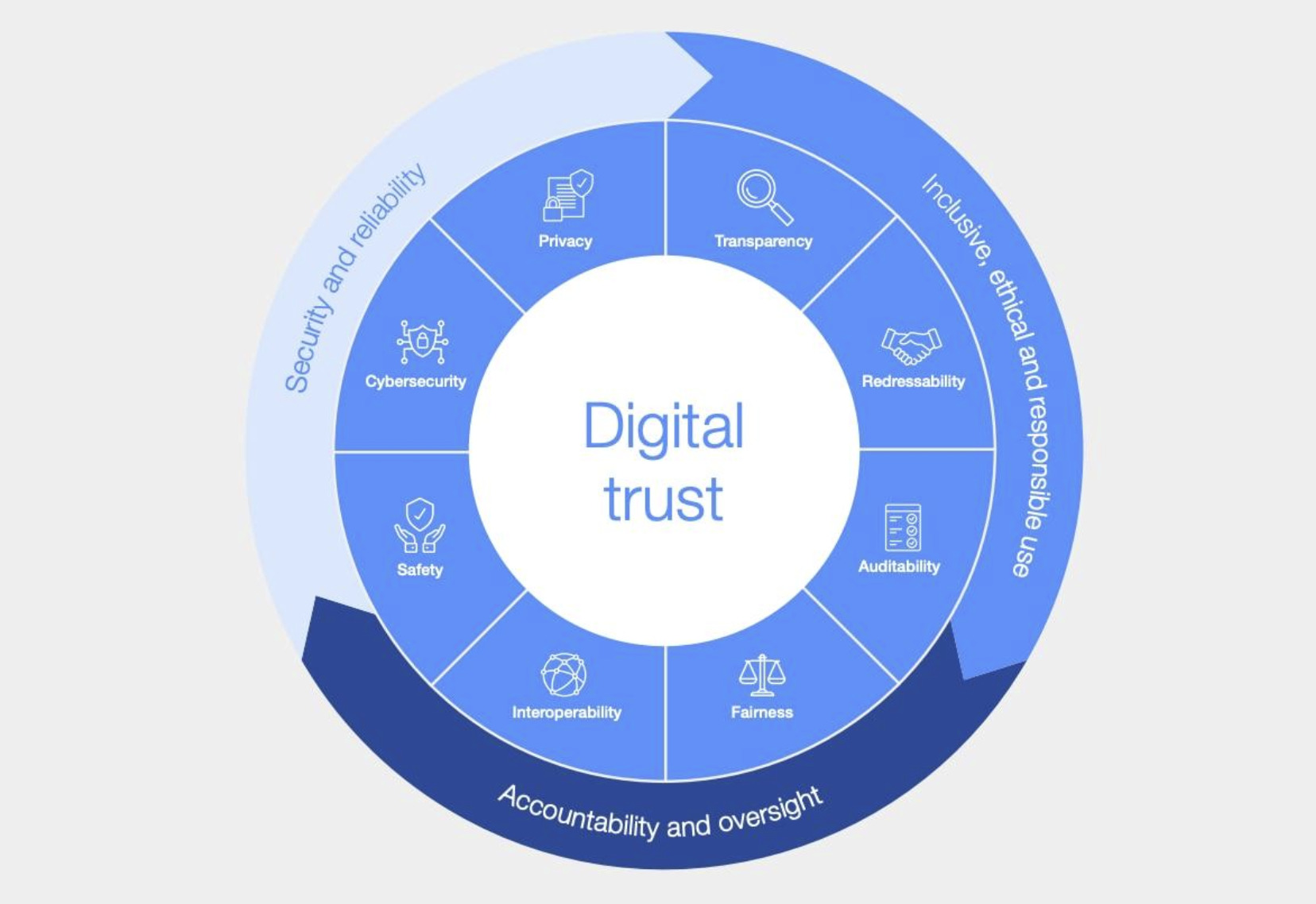
The line that separates operators worth your money from those merely chasing your deposit is transparency, and transparency lives in the interface. An honest casino shows you the full picture before you commit. Bonus terms — and especially wagering requirements — should be stated plainly next to the offer, not buried three clicks deep in a separate document. A welcome bonus that looks generous on the banner but conceals a punishing playthrough requirement is a design decision, and a dishonest one. The same applies to feedback: when you take an action, the interface should confirm it unambiguously, so you are never left wondering whether your deposit landed, your bet registered, or your withdrawal request actually went through. Ambiguity is where anxiety grows, and a trustworthy site is engineered to remove it.
One of the most revealing tests is symmetry between depositing and withdrawing. A legitimate operator makes cashing out roughly as smooth as paying in. When the deposit flow is effortless and instant but the withdrawal flow suddenly demands extra verification steps, imposes long delays, or hides itself behind confusing menus, that asymmetry is deliberate and it is a serious red flag. Reading the withdrawal process — before you ever need it — is one of the fastest ways to tell whether a casino respects its players or merely tolerates them.
The Dark Patterns That Should Make You Close the Tab
The same techniques that build legitimate trust can be turned toward manipulation, and recognising these dark patterns is essential. Countdown timers engineered to create false urgency, pushing you to claim a bonus "before it expires," are designed to short-circuit your judgement. Confirmshaming — where declining an offer means clicking a button that calls you foolish for missing out — is a manipulation, not a courtesy. Pre-checked opt-in boxes that quietly enrol you in bonuses with strings attached, endless near-miss animations tuned to feel like you almost won, and withdrawal flows made quietly more cumbersome than deposits all betray the same intent. A trustworthy interface persuades by being clear; a manipulative one persuades by being slippery. When a site is working harder to rush you past a decision than to help you understand it, that effort is the answer to your question.
Responsible-Gambling Tools as a Trust Signal
Perhaps counterintuitively, the presence of friction in the right places is one of the strongest signals of a trustworthy operator. A casino that offers visible deposit limits, reality-check reminders, cooling-off periods, and straightforward self-exclusion is signalling that it treats player welfare as a long-term asset rather than a threat to revenue. Links to independent support organisations, clearly placed rather than hidden, tell you the operator is comfortable with regulators and genuinely committed to safer play. These tools cost the operator short-term revenue and buy long-term credibility, which is precisely why their presence is so informative. A site that makes it easy to set boundaries is a site that expects to keep you as a customer for years rather than extract as much as possible before you leave.
Putting It Together
You can read most of these signals in about two minutes. Glance at the overall polish, then scroll to the footer and check for a verifiable licence and testing-lab certification. Confirm the connection is encrypted and the payment methods are recognisable. Open the bonus terms and see whether the wagering requirement is stated honestly and up front. Skim the withdrawal process and compare its friction to the deposit flow. Finally, look for visible responsible-gambling controls. If a site passes these checks, it has earned a baseline of trust; if it fails several, no marketing budget or flashy welcome offer should change your mind.
In the end, telling whether an online casino is trustworthy is a matter of reading the promises an interface makes. Every screen says something about how seriously an operator takes you — whether it respects your money, your time, and your ability to decide for yourself. Trust is built one screen at a time, and it is spent the same way. Learning to read those screens is the most reliable protection a player has.
If gambling stops being fun, support is available. Set deposit limits, take breaks, and reach out to a recognised support organisation if you need help. Play responsibly.